


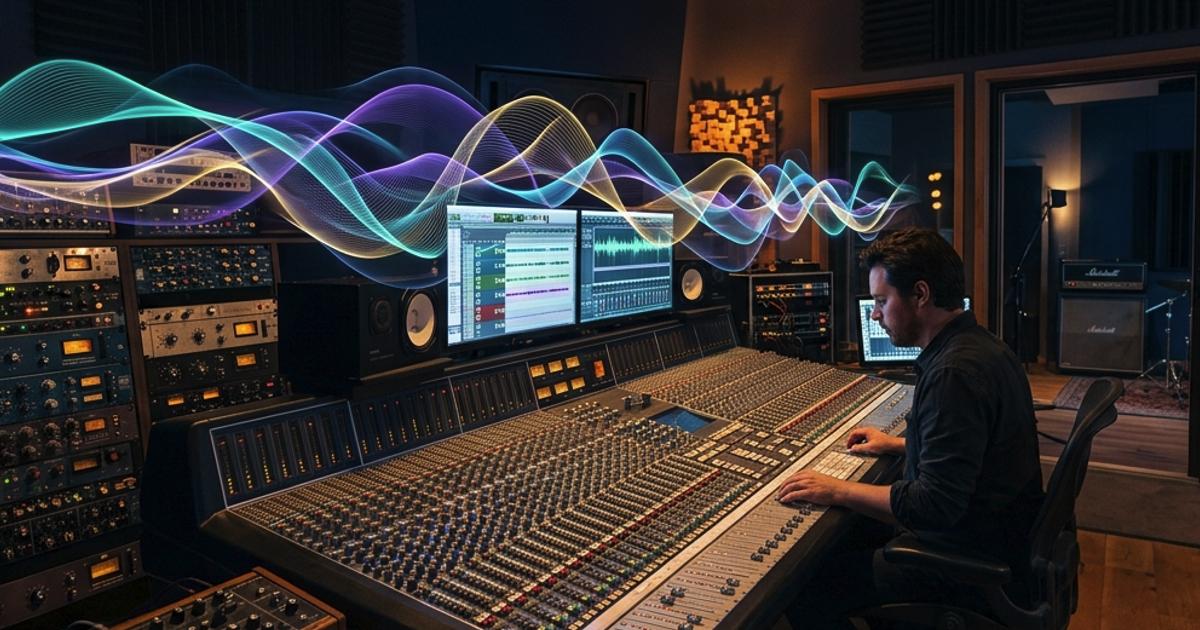

One of the most powerful techniques in modern audio production is the art of layering sounds. Whether you are producing an epic cinematic score, a pop anthem, or a gritty hip-hop track, knowing how to stack and blend multiple sonic elements is what separates a flat, lifeless mix from something that truly moves people. At Alien Airplay, we live and breathe this craft every single day, and we want to pull back the curtain and share some of the secrets that help us create full, rich, and emotionally compelling music for our clients.
What Does Layering Actually Mean in Audio Production?
Layering in audio production refers to the process of combining multiple sounds, instruments, or recordings to create a single, unified sonic texture. Think of it like painting. A single brushstroke might be interesting on its own, but it is the combination of countless strokes, colors, and techniques that creates a masterpiece. The same principle applies to music.
Layering is used across every genre and style of music. In orchestral composition, a melody might be carried by violins, reinforced by flutes, and supported underneath by low brass. In electronic music, a synth lead might be doubled with a slightly detuned version of itself to create that classic wide, lush sound. In rock production, guitars are often double-tracked, meaning the performer plays the same part twice on two separate recordings that are then panned left and right for a massive stereo effect.
Why Layering Matters for Your Sound
Without layering, most recordings sound thin and underdeveloped. The human ear craves complexity and depth, and carefully layered sounds deliver exactly that. When done correctly, layering adds warmth, fullness, excitement, and emotional weight to a piece of music. It is one of the primary tools that professional producers use to make their work sound polished and radio-ready.
Key Layering Techniques Used at Alien Airplay
At Alien Airplay, our production process is built around intentional, strategic layering. We do not just throw sounds together and hope for the best. Every layer we add has a purpose, a role to play in the overall sonic picture. Here are some of the core techniques we rely on when building out a track for our clients.
Frequency Stacking
One of the most important concepts in layering is thinking about the frequency spectrum. Every sound occupies a certain range of frequencies, from the deep rumble of sub-bass all the way up to the sparkling shimmer of high-frequency content. When we layer sounds, we are very conscious of making sure that different layers are contributing energy at different parts of the spectrum rather than competing with each other.
For example, a kick drum might be the anchor in the low-end frequencies. A bassline might sit just above it, filling out the upper bass range. Mid-range instruments like guitars, keyboards, or vocals occupy the middle of the spectrum, and elements like cymbals, acoustic guitar fingerpicking, or synthesizer pads with high-frequency content add air and sparkle at the top. This careful stacking ensures that every frequency range has something interesting happening without any single area becoming overcrowded or muddy.
Using Texture Layers Versus Melodic Layers
Not every layer in a mix needs to be a recognizable instrument playing a clear melody. Some of the most effective layers are purely textural, meaning they exist to add color, movement, and ambiance without drawing attention to themselves. At Alien Airplay, we frequently blend melodic layers with textural layers to create music that feels alive and three-dimensional.
Textural layers might include things like:
- Ambient field recordings such as wind, rain, or crowd noise
- White noise sweeps that add tension and movement during transitions
- Reversed audio elements that create a sense of mystery and depth
- Subtle synthesizer pads that provide harmonic warmth without standing out
- Vinyl crackle or tape hiss for a vintage, organic feel
- Processed percussion hits used as rhythmic texture rather than a traditional drum pattern
These textural layers are the secret ingredient that makes a production feel rich and immersive rather than sparse and two-dimensional.
Doubling and Harmonizing Vocals
Vocal production is one of the areas where layering has the most dramatic impact. A single vocal take, no matter how beautifully performed, can sometimes feel exposed and vulnerable in a mix. By adding carefully crafted vocal layers, we can transform a performance into something truly powerful.
Common vocal layering techniques we use at Alien Airplay include double-tracking, where the singer re-performs the same line and we blend the two takes together for a natural thickening effect. We also layer in harmonies, both above and below the main melody, to add richness and emotional complexity. Sometimes we will process a vocal in an unusual way, such as running it through a pitch shifter or a heavy reverb effect, and use that processed version as a subtle background texture beneath the main vocal.
How Alien Airplay Helps Clients Achieve the Perfect Sound
One of the things that sets Alien Airplay apart from other audio production companies is our deep commitment to understanding what our clients actually want. Great layering technique is only valuable if it is being used in service of the right creative vision. That is why our process always begins with a thorough conversation about the goals, emotions, and purposes behind the music we are creating together.
Listening First, Producing Second
When a client comes to us needing original music, whether it is for a film, a commercial, a personal project, or a full album, the first thing we do is listen. We ask questions. What feeling do you want this music to evoke? What artists or songs inspire you? Where will this music be heard, and what kind of impact do you want it to have on the audience? The answers to these questions guide every layering and production decision we make throughout the project.
Collaboration at Every Step
At Alien Airplay, we believe that the best music is made collaboratively. We do not disappear into the studio and hand you a finished product weeks later with no input from you along the way. We keep our clients involved and informed at every stage of the production process. We share early rough mixes, gather feedback, and adjust our layering and arrangement choices based on what is resonating and what is not. This collaborative approach ensures that the final product is not just technically excellent but also deeply personal and meaningful to the person who commissioned it.
Whether you are a first-time client who has never worked with a professional audio production company before, or an experienced artist looking for a skilled production partner to bring your creative vision to life, Alien Airplay has the expertise, the passion, and the tools to deliver music that exceeds your expectations. The art of layering sounds is just one of the many techniques we use to create music that truly stands out. Reach out to us today and let us start building something extraordinary together.